
White-Label AI for MSPs: What It Is, What to Look For, and How to Get Started
By Callen Sapien, CEO and Co-Founder | May 2026
White-label AI lets an MSP sell a secure AI platform to clients under its own brand, as a new monthly revenue line. The MSPs pulling ahead right now are not using AI to trim their own ticket queue. They are deploying it into client environments and getting paid for it every month.
White-label AI for MSPs is a secure, multi-tenant AI platform an MSP rebrands as its own and deploys directly to clients. The MSP sets the price, owns the client relationship, and bills monthly. Synthreo is a client-facing white-label AI platform built for exactly this, turning AI into a managed service your clients pay for rather than an internal cost you absorb.
I talk to MSP owners every week who tell me the same thing. They bought an AI tool, plugged it into their own help desk, shaved a few hours off triage, and called it an AI strategy. It checks the AI box. It does not build a practice. The revenue still comes from the same seats and the same contracts. Meanwhile the client down the street already has ChatGPT open in a browser tab, feeding it customer records nobody approved.
That gap is the opportunity. Here is how white-label AI closes it.
What does white-label AI mean for MSPs?
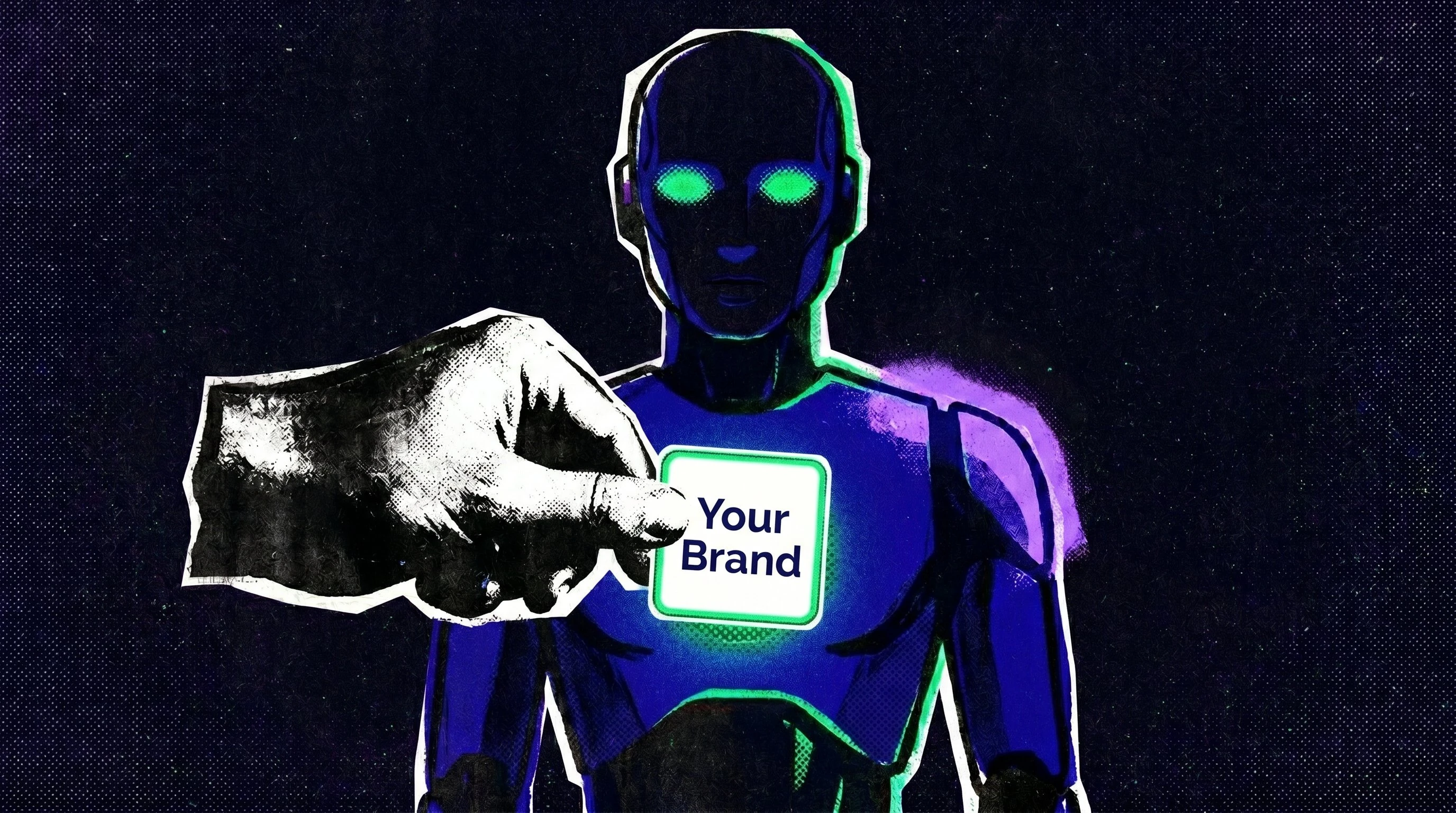
White-label AI means you deliver an AI product to your clients under your own name, your own logo, and your own pricing, while a provider builds and maintains the underlying platform. Your client sees your brand. You see a new recurring revenue stream. The provider stays invisible.
There is a line worth drawing early. Internal-use AI helps you run your shop. Client-facing white-label AI becomes something you sell. Both have value. Only one of them shows up as new monthly recurring revenue on your books, and only one of them makes you your clients’ AI partner instead of just their break-fix vendor.
The demand is already there. According to the U.S. Chamber of Commerce, 96% of small business owners plan to adopt emerging technologies including AI, and 58% already use generative AI tools today. Your clients are buying AI with or without you. White-label AI puts you in that purchase.
What should MSPs look for in a white-label AI platform?
Look for five things: true multi-tenancy, real security, full rebranding, client-facing deployment, and a done-for-you build model. Miss any one of them and you end up reselling a seat instead of owning a service.
Multi-tenancy is the foundation. You manage every client from one control plane, with role-based access and isolated data per tenant. Synthreo handles this through Canopy, so one MSP can run dozens of client environments without spinning up a separate account for each.
Security is not a feature, it is the entry ticket. Your clients hand AI their contracts, their financials, their patient records. The platform needs zero data retention and isolation that holds up to a compliance conversation. Threo, Synthreo’s secure AI chat product, was built so the prompts your clients type never become someone else’s training data.
The rebranding has to be total. Your domain, your colors, your name on every screen the client touches. If the provider’s logo peeks through, it is not white-label. And the platform should let you build, not just resell. Pylon, Synthreo’s no-code agent creation tool, lets you stand up custom agents for a client’s specific workflows instead of handing everyone the same generic chatbot.
How is white-label AI different from reselling ChatGPT or Copilot?
Reselling a copilot gives your client one feature. A white-label AI platform gives you a category to own. That is the whole difference, and most of the market gets it backwards.
Search “white-label AI for MSPs” today and you will find a crowd of single-function tools. White-label AI voice agents that answer phones. White-label chatbots. White-label website builders with AI bolted on. Each one does a single job and stops there. They are useful, and they are also a ceiling. You can resell a voice agent, but you cannot build an AI practice on top of one feature.
A platform is different. With a multi-tenant agentic platform, you deploy chat, custom agents, and automated workflows across every client from one place, all under your brand. When a client needs something new, you build it on the same platform instead of signing up for another point tool. You are not reselling someone’s app. You are running the AI layer for your clients’ businesses.
This matters more as risk climbs, and it is climbing fast. The IBM Cost of a Data Breach Report 2026 found that security incidents tied to shadow AI more than doubled to 43% of breached organizations, up from 20% the year before, and those incidents now average $5.39 million each. 68% of organizations still have no AI governance policy in place. The Verizon 2026 Data Breach Investigations Report found 45% of employees are now regular AI users on corporate devices, up from just 15% the year prior, and 67% of them are doing it through personal, non-corporate accounts nobody at the company can see. Your clients have a person and a chatbot, and right now nobody is watching the chatbot. A governed white-label platform is how you become the one who is.
How do MSPs price white-label AI services to clients?
The standard model is a per-seat or per-client monthly add-on layered onto existing managed services contracts, priced above wholesale platform cost to capture margin. You set the retail price. The spread between your platform cost and what you charge the client is your recurring margin.
In practice, retail pricing follows a simple structure. A secure AI chat seat commonly resells in the $40 to $50 per user per month range. Automated agents that run real client workflows resell from several hundred to more than two thousand dollars each per month, scaled to complexity, and a typical bundled engagement lands between $1,000 and $5,000 per month per client. A 60 to 70 percent gross margin is the typical target, and a credit-based platform makes that margin predictable because your input cost per workflow is known in advance rather than floating with token usage.
The pricing model that works best avoids per-token billing. Usage-based pricing punishes the clients who adopt fastest, which is the opposite of what you want. A credit-based or flat-tier model lets you bundle AI into a contract the same way you bundle endpoint management, so the client sees a predictable line item and you see predictable revenue. Demand supports the premium. The U.S. Chamber of Commerce found 77% of small businesses using AI say limits on it would hurt their growth, which tells you they value access enough to pay for it done right.
How long does it take to get a white-label AI platform live?
Standing up the platform is fast. Branding it, configuring a client tenant, and turning on secure chat takes days, not months, because the provider has already done the engineering. The longer clock is the sales motion, and most partners go from signing to their first paying client in about 30 days.
That 30-day path is a repeatable sequence, not a scramble. You spend the first week turning on your own seats and using the product daily, the second building a target list and booking meetings, the third running discovery and proposing a flat per-seat price, and the fourth closing your first one to three clients, spinning up their tenants, and getting first revenue in.
The platform work itself stays simple. Brand it, configure your first client tenant, deploy secure chat, then layer in custom agents for the workflows that client cares about most. Start with one client who already trusts you, prove the value, then roll the same playbook across your base. Early movers build practices. Late movers write incident reports.
Frequently Asked Questions About White-Label AI for MSPs
What is white-label AI for MSPs? White-label AI for MSPs is a secure AI platform an MSP rebrands as its own and sells to clients as a managed service. The MSP controls the branding, pricing, and client relationship while the provider builds and maintains the underlying technology. It turns AI into recurring revenue rather than an internal cost.
Is white-label AI the same as reselling ChatGPT? No. Reselling ChatGPT or a copilot gives a client one AI feature on someone else’s brand. A white-label AI platform lets the MSP deploy chat, custom agents, and workflows across every client under its own brand, from one control plane. One is a resold seat. The other is an AI practice.
Why do MSPs need a secure white-label AI platform instead of letting clients use public tools? Because clients already use public AI, often without oversight. The IBM Cost of a Data Breach Report 2026 found shadow AI security incidents more than doubled to 43% of breached organizations, averaging $5.39 million each. A secure white-label platform with zero data retention gives clients the AI they want inside a governed environment the MSP controls and bills for.
How do MSPs make money with white-label AI? MSPs make money by setting a retail price above their wholesale platform cost and billing clients monthly, usually as an add-on to existing managed services contracts. The margin between cost and retail is recurring. A flat or credit-based pricing model keeps the client’s bill predictable while protecting the MSP’s margin.
What features matter most in a white-label AI platform for MSPs? The five that matter most are multi-tenant management, zero data retention security, complete rebranding, client-facing deployment, and a done-for-you build model. A platform missing any of these forces the MSP back into reselling a single tool instead of running a full AI service for clients.
How fast can an MSP launch white-label AI to clients? The platform goes live in days, since the provider has already built and secured it and the MSP’s work is branding and tenant configuration. Getting to a first paying client takes about 30 days, the time to run the sales motion. Building a comparable platform in-house takes months or longer.
You do not have to build the platform. You have to decide to own the AI layer for your clients before someone else does. If that is the practice you want to build, book a demo and we will show you how MSPs are launching it under their own brand. If you want to talk it through first, I am here. DMs are open.
Callen Sapien is CEO and co-founder of Synthreo, the agentic AI platform for managed service providers. He has spent nearly 20 years in the MSP space building secure AI products MSPs deploy to their clients.